
Rental to condo conversion.
For an owner of a rental building, conversion creates the possibility of selling individual homes. The opportunity has to be weighed against the building’s finances, the work required and the obligations to residents already living there.
Request your free feasibility studyConsider the building as individual homes.
A rental property is usually evaluated through the income it produces. A condominium proposal also examines what buyers may pay for its individual units and how those sales could be financed.
We review the property and its unit mix, ownership’s purchase basis, comparable condominium sales and the existing debt. The result should explain whether conversion is worth pursuing, including the costs and resident arrangements that affect it.
Hutton’s rental work includes Pacific Gardens Townhomes, a 38-unit property in San Mateo, California.
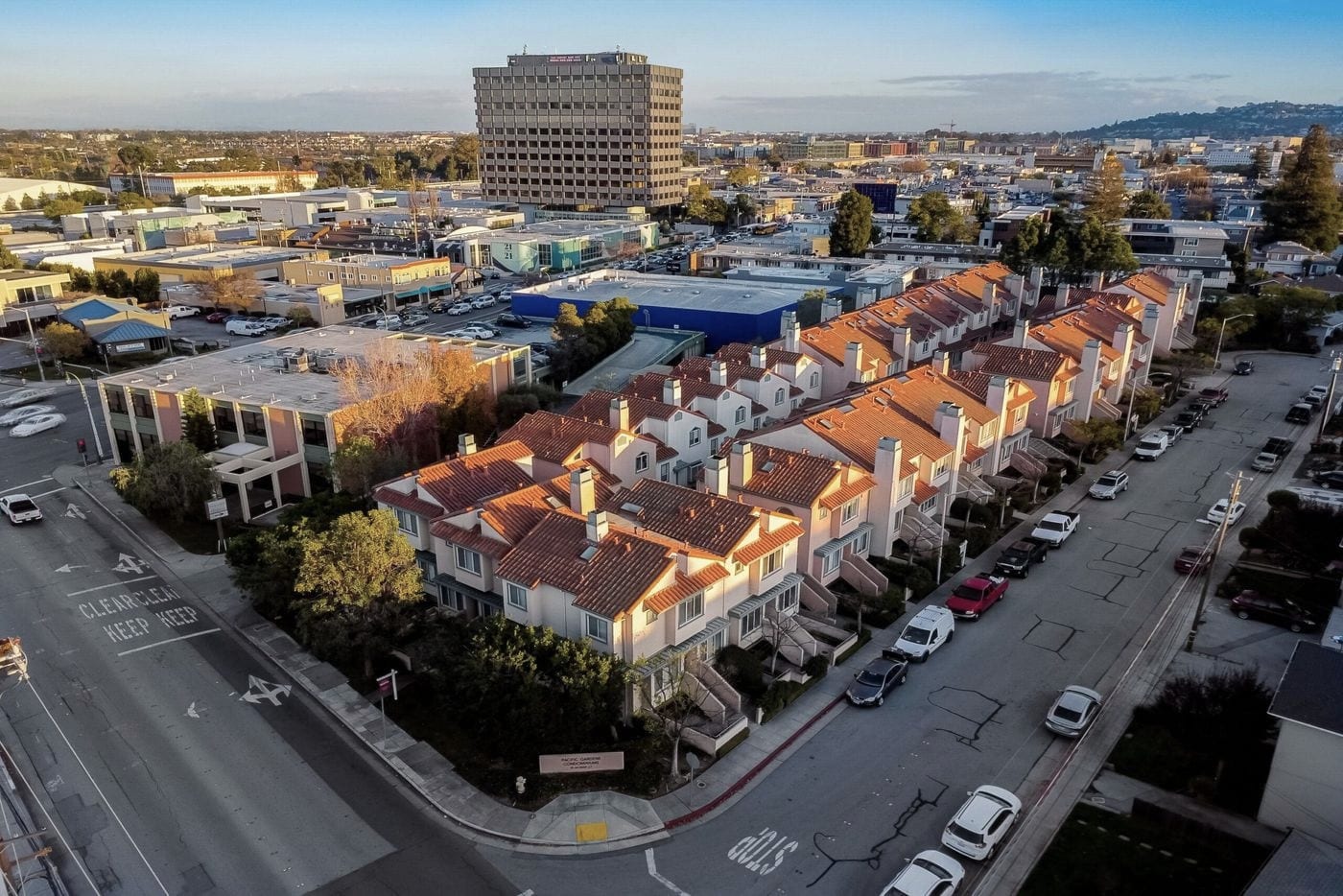
Rental-to-condominium conversion
The business case needs more than a sale-price estimate.
Potential unit values are one part of the decision. Your plan must also account for debt, physical work, professional services, the sales period and what is owed to residents.
The property’s existing rental finances provide the comparison. No general condominium premium establishes the return on your building.
- The units and their market
- Layouts, sizes and nearby condominium sales help establish the potential buyer market.
- The building and required work
- Pre-inspection, engineering and reserve work identify requirements to address in the approvals and condominium budget.
- The debt and costs
- The existing loan, financing arrangements and conversion costs must fit alongside proposed unit sales.
- The residents in place
- Leases, purchase opportunities, notices and applicable tenant protections affect the plan and its timing.
Coordinate the property work and the resident program.
The study comes first, followed by an agreement setting out the work. In California, the plan addresses local conversion requirements, subdivision approvals and the state public-report process where required. Other jurisdictions have their own requirements.
- Evaluate
The property and proposed sales
Review unit values, purchase basis and existing finances. Identify the further physical inspection, engineering and approval work the property requires.
- Prepare
The condominium and its financing
Coordinate maps, governing documents, required reports, the association budget and financing arrangements. Prepare the resident notices and purchase program alongside that work.
- Offer and close
The individual homes
Make the resident offers under the applicable requirements and project terms. Coordinate permitted marketing, financing and escrow closings as the units are sold.
Hutton’s scope brings together the legal and financial work, documents, approvals, professional studies, resident meetings and closing coordination. The agreement sets the responsibilities for your property.
Give residents a clear choice about their own home.
At Pacific Gardens, each household was offered its own unit at a discount and received a Rent vs. Own analysis. That analysis compared the cost of ownership, financing and monthly carrying costs with the household’s rent. Residents could discuss their questions with Hutton and use their own lender.
For another property, the offer and any discount must be established in its plan. Financing depends on the buyer and available lenders. New owners also need to understand the association’s governing documents, common charges and responsibility for shared property.
California requires conversion notices that address public hearings and tenants’ purchase rights. Existing leases and local ordinances may impose further obligations, including protections for residents who do not buy. Those requirements must be identified before marketing and closing arrangements are made.
Read the California conversion guideSet the owner’s agreement before the work begins.
The rental-conversion agreement states the scope, fee and payment schedule, together with the information and actions required from the owner. It should address the conversion work and the resident program, including any existing loan that needs to be refinanced.
Default, termination and changes in law are also agreement questions. Have your attorney review those provisions and the allocation of responsibilities. The payment terms for a rental property are set in that agreement; the co-op conversion program’s fee terms are not a substitute.
Review the owner’s tax position before deciding.
Converting the property, recording condominium documents and selling individual units raise different tax questions. Your adviser should review the ownership structure, purchase basis, proposed transactions and applicable state and local taxes.
Rules about a co-op owner exchanging shares for a deed should not be assumed to answer the tax treatment of a rental building held by one owner. Reassessment, recording charges and transfer taxes need to be checked with the property’s jurisdiction and your advisers.
Include those findings in the economics of the proposed conversion. No general tax-saving claim belongs in place of that review.
Questions rental owners ask.
Why consider conversion instead of continuing to rent the building?
Condominium ownership makes individual unit sales possible. Whether that is a better course depends on the property’s rental income, potential unit values, debt, conversion costs, required work and resident obligations. The evaluation needs to compare the full economics, not just add up hoped-for sale prices.
Does the building need to be vacant?
The Pacific Gardens conversion involved residents already in place. An occupied building needs a plan for leases, notices, purchase offers and the protections that apply to residents who do not buy. The rules and practical requirements need to be checked for the property’s jurisdiction.
Can the residents buy their own units?
The resident-purchase program offers each household a way to evaluate buying its own home. At Pacific Gardens, residents received an individual Rent vs. Own analysis and a discounted offer on their own unit. The offer and purchase period for another property must be set out with its legal requirements and project terms; an offer does not guarantee mortgage qualification.
What happens to the building’s existing loan?
The lender’s requirements and the release of individual units must be addressed in the conversion plan. A substantial existing deed of trust may require refinancing as part of the arrangements. The study and agreement should explain what has to happen before individual sales can close.
How is Hutton’s rental-conversion fee paid?
The owner’s rental-conversion agreement sets the fee, payment schedule, scope and responsibilities. Those terms should be reviewed before work begins. The co-op program’s fee-at-deed terms should not be assumed to apply to a rental property’s agreement.
Look at the possibilities for your rental property.
Tell us about the building, its location and the residents in place. We will explain the information needed to evaluate a rental-to-condominium conversion.
Or write to info@huttonfirm.com.